Latest posts
-
Should You Delay Retirement to Chase Crypto Gains? What the Math Says

If you plan to delay retirement to chase crypto gains, you run into a math problem that has little to do with crypto itself: the order of returns matters once you start withdrawing. I can’t verify that crypto will rise or fall in any window, so this article uses assumed numbers that I computed to…
-
Bitcoin vs. Index Funds — Which Actually Won the Last 10 Years?

“Which won, Bitcoin or index funds?” has a clearer answer for the last ten years than I expected, as long as you ask the question carefully. Below I put the two on the same footing using published data, point out where the data is imperfect, and then show why the answer is not a promise…
-
Crypto IRAs vs. Regular Roth IRAs — Is the Extra Fee Ever Worth It?

Whether a crypto IRA’s extra fee is worth it depends on what you’re buying with it. This article gives the structure of the decision and the fee math with assumed numbers, as my own reasoning. The Cheaper Default to Compare Against In my view, the baseline for comparison is a regular Roth IRA at a…
-
Digital Asset Insurance — The Safety Net Most Crypto Holders Don’t Have
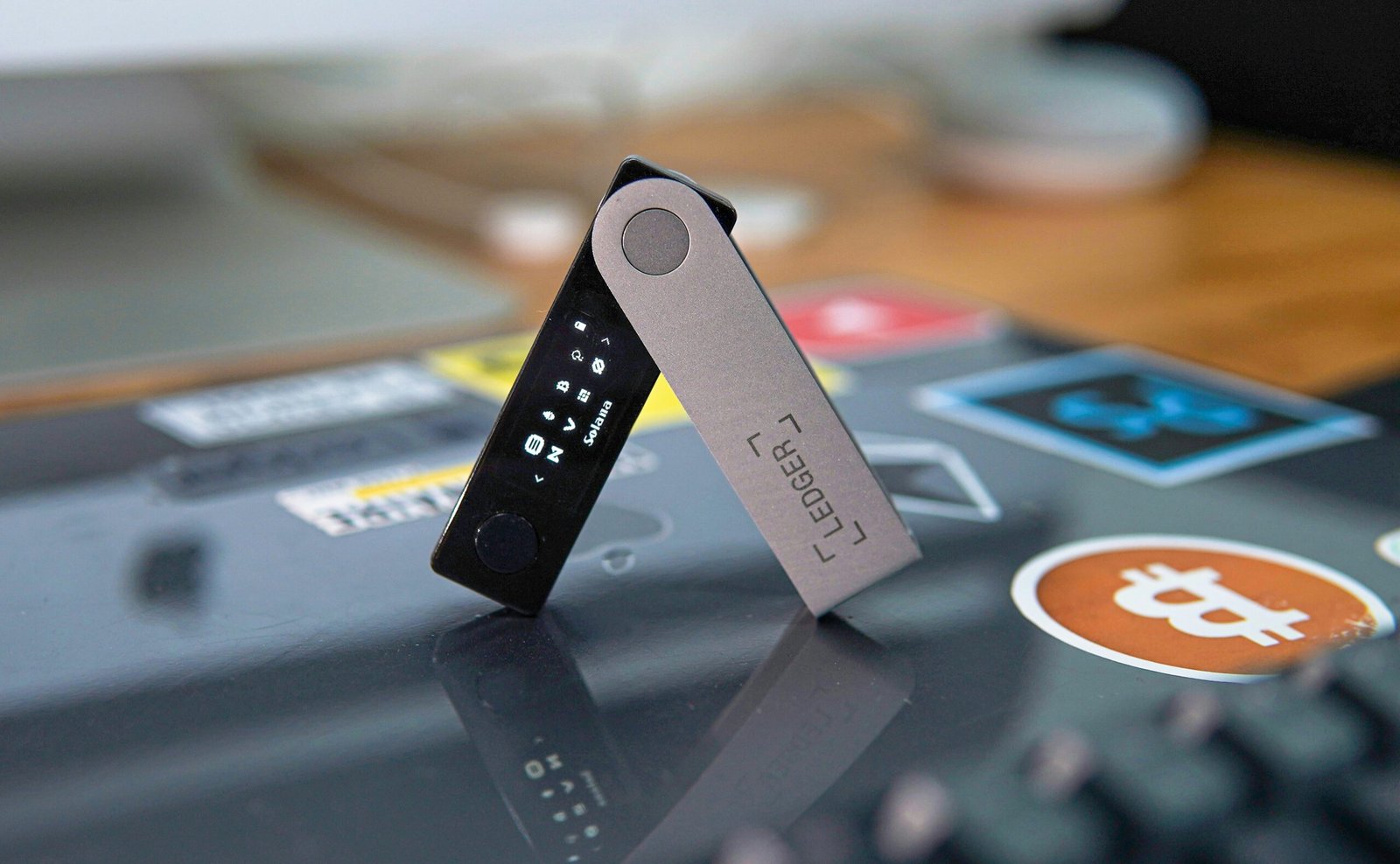
Digital asset insurance exists in a few forms, but none of them works like a bank’s FDIC coverage. In my view, the useful move is to learn what each type covers, and what it says it doesn’t, before you rely on it. I limit the facts below to what I could check on the providers’…
-
Roth IRA or Crypto for Retirement? The 20-Year Math

The real comparison isn’t Roth IRA versus crypto. A Roth IRA is an account type, and crypto is an asset, so the question underneath “Roth IRA or crypto for retirement” is what you hold inside the account and how it’s taxed. This article sticks to what I could verify and labels the rest as my…
-
How to Leave Crypto to Your Kids Without Losing It

You can leave crypto to your kids, but it takes a different kind of planning than a house or a brokerage account. In my view, the core issue is access: if nobody can reach the keys, the coins can exist and still be out of reach. This article separates what I could verify from my…
-
I Believe Crypto Is Becoming Payment Infrastructure — Here’s Why

Crypto is becoming payment infrastructure, in my view, and the clearest evidence isn’t a chart of Bitcoin’s price. It’s what large payment companies have announced they are building, and the law now being written around stablecoins. Below I list only announcements I could check against a primary or news source, add what a law-firm summary…
-
Is Crypto Staking a Side Hustle, or Just Sitting There?

Calling crypto staking a side hustle is a bit of a misnomer, and the reason is the most useful thing to understand about it. A side hustle trades your time for money. Staking trades your capital for money, with little time involved, so an “hourly rate” doesn’t fit the way it does for driving or…
-
Stablecoin Emergency Fund vs. Savings Account — The Real Risk Comparison
A stablecoin emergency fund doesn’t have the protection a savings account has. Deposit insurance is the main difference, and this post compares the two with sourced facts and the arithmetic. According to the FDIC, the standard insurance amount is $250,000 per depositor, per insured bank, for each account ownership category. A stablecoin held outside a…
-
Crypto and Credit Score: What Nobody Tells You
Credit score is the focus of this guide. Quick answer: your crypto holdings are not part of your credit report, but the way you pay for crypto can affect your score. The CFPB lists what a credit report contains: credit accounts with their balances and payment history, collection items, and inquiries. Trading or holding crypto…