Latest posts
-
I Believe Crypto Is Becoming Payment Infrastructure — Here’s Why

Crypto is becoming payment infrastructure in a way that’s easy to miss if you’re only watching coin prices. The clearest evidence isn’t in a chart of Bitcoin’s value. It’s in what Visa, Mastercard, PayPal, and Stripe have all quietly built over the past eighteen months, largely without needing anyone to “believe in crypto” at all.…
-
Is Crypto Staking a Side Hustle, or Just Sitting There?

Calling crypto staking a side hustle is a bit of a misnomer, and the reason is actually the most useful thing to understand about it. A real side hustle trades your time for money. Staking trades your capital for money instead, with almost no time involved at all — which means the “hourly rate” question…
-
Stablecoin Emergency Fund vs. Savings Account — The Real Risk Comparison
A stablecoin emergency fund is not as safe as it sounds. Stablecoins are not FDIC insured, and real events — not hypotheticals — have already shown what happens when that protection is missing. A savings account at an FDIC-member bank is insured up to $250,000 per depositor. That single difference is the whole story, and…
-
Crypto and Credit Score: What Nobody Tells You

Quick answer: No — crypto and credit score are not directly connected. Exchanges like Coinbase or Binance don’t report your trading activity to Equifax, Experian, or TransUnion. But that “no” is where most articles on crypto and credit score stop, and it’s the wrong place to stop. There are three real, indirect paths where your…
-
Crypto Retirement Portfolio Allocation: A Risk-Based Framework
For most people, a small crypto retirement portfolio allocation makes sense — not an all-or-nothing decision. The real question was never “crypto or no crypto.” It’s how much of a crypto retirement portfolio you should actually hold, and when to start scaling it back. Below is a framework built around your actual risk tolerance and…
-
Only 30% of Americans Set a Financial Goal. Here’s How to Actually Keep Yours.

30 percent of Americans set a financial goal, according to recent research from Empower. That means simply having one already puts you ahead of most people. The harder part isn’t setting the goal. It’s the fact that most financial resolutions quietly disappear by February — not because the goal was bad, but because the system…
-
Term Life Insurance Basics: Why It Costs Far Less Than You Think

Term life insurance basics start with fixing a widespread misconception. Roughly 52% of Americans overestimate what a policy actually costs, often guessing three times the real price. I made this same assumption myself for years. I pictured hundreds of dollars a month and kept putting it off. The real number for a healthy 30-something is…
-
Wages Rose 21%, Savings Fell in Half: What Lifestyle Inflation Really Costs

Lifestyle inflation as your income grows can quietly reduce your savings, even when your paycheck increases.Wages rose 21.4% in the United States between 2020 and 2024. Over that same stretch, the personal savings rate fell from 7.2% to 4.8% — nearly cut in half. Income went up. Savings went down. That gap has a name:…
-
Budgeting Apps Worth Using: An Honest Breakdown of Pros and Real Benefits
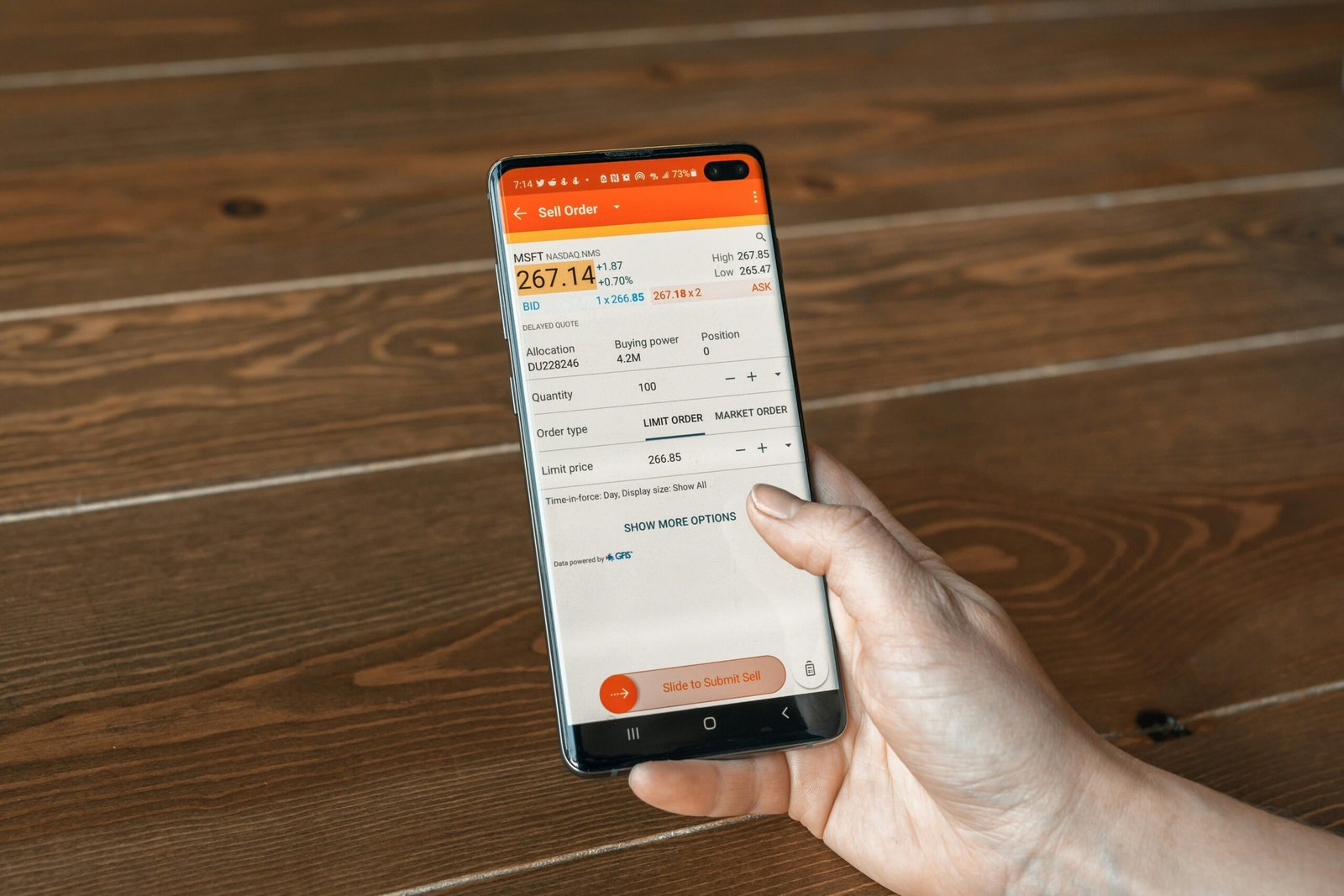
Budgeting apps worth using aren’t the ones with the flashiest charts — they’re the ones that match how you actually make money decisions, which is exactly why the “best” app for your neighbor might be the wrong pick for you. With roughly 95 million Americans now using a personal finance app every month, the market…
-
Employer 401(k) Matching: How It Works and What Counts as a Good Match

Employer 401(k) matching is often called “free money,” and that’s not an exaggeration — it’s compensation you’re leaving on the table the moment you contribute less than what your employer is willing to match. Understanding exactly how the formula works, and what counts as a genuinely good match in 2026, changes how you should think…