
Investing with a small amount of money comes down to one myth worth killing first: you need a big lump sum before it’s even worth doing.
The reality: $1,000 invested at 7% grows to $80,000 in 27 years, without adding another dollar. Most brokerages now let you start with $1.
Do This This Week
- Open a $0-minimum brokerage account. Fidelity, Schwab, and Vanguard all offer this, with fractional shares included.
- Pick one broad, low-cost index fund. A total-market fund or ETF gives instant diversification in a single purchase.
- Set up a small automatic weekly or monthly transfer. $10-25 a week is a genuine, meaningful start.
- Leave it alone. Quarterly check-ins are plenty — daily checking invites decisions you’ll regret.
That’s the whole plan. Everything below explains why it works and what to watch out for.
The Real 27-Year Number
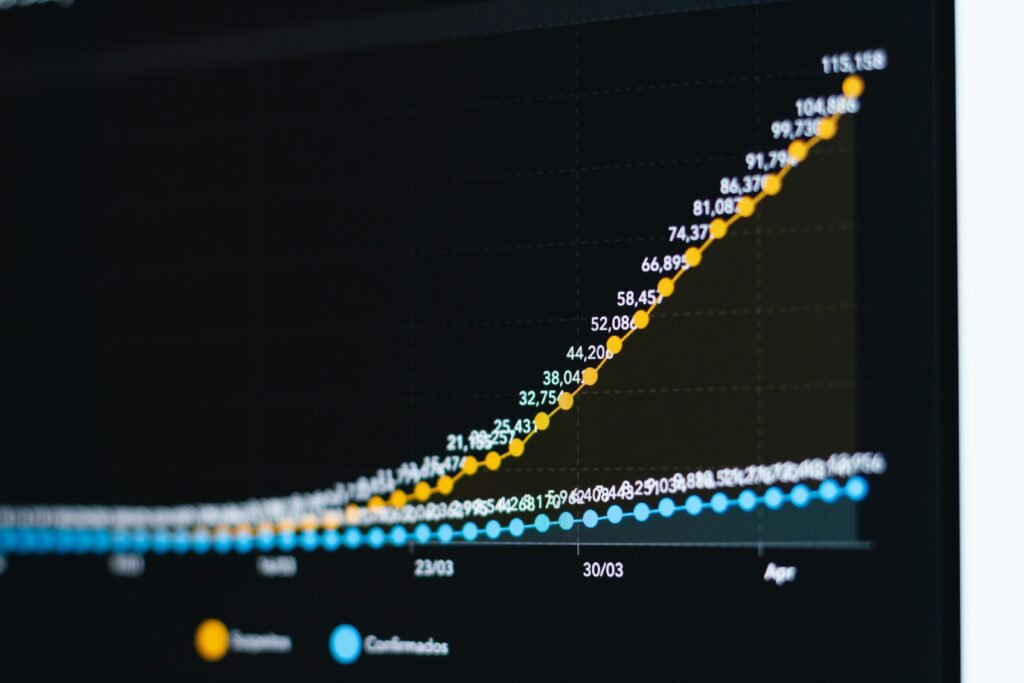
Year 1
$1,000 grows to $1,070 at 7% — a $70 return.
Year 2
That $1,070 grows to $1,144.90 — a $74.90 return, $4.90 more than year one, purely from growth building on growth.
Year 9
The original $1,000 doubles to roughly $2,000.
Year 18
It doubles again to roughly $4,000.
Year 27
It doubles a third time to roughly $8,000 — an eightfold increase from the original $1,000, without a single additional contribution.
What This Means for a Real Contribution
Scale that same math to a $10,000 starting amount instead of $1,000, and 27 years of compounding turns it into roughly $80,000. The mechanism is identical whether you start with $10 or $10,000 — time is doing the actual work, not the size of the initial check.
Where to Actually Open the Account
Step 1: Build a Small Buffer First
Before investing anything, set aside at least a small emergency cushion. This protects you from having to sell investments at a bad time if an unexpected expense comes up.
Step 2: Open an Account With No Minimum
Most major brokerages have $0 account minimums and offer fractional shares, meaning you can open an account today regardless of how much you’re starting with.
Step 3: Pick One or Two Broad, Low-Cost Funds
A total-market index fund or a broad ETF gives instant diversification across hundreds of companies in a single purchase — no need to research or pick individual stocks as a beginner.
Step 4: Automate a Small, Recurring Contribution
Even $10-25 a week, moved automatically, removes the guesswork and builds the habit without requiring a fresh decision every time.
Step 5: Leave It Alone
Checking your portfolio daily invites emotional decisions based on meaningless short-term price swings.
Mistakes That Quietly Cost Beginners the Most
- Waiting for the “right” moment — time in the market consistently outperforms trying to time it.
- Panic selling during a downturn — market drops are normal and temporary; selling locks in a loss that would likely have recovered.
- Picking individual stocks too early — even professionals struggle at this; diversified funds are the more reliable starting point.
- Ignoring fees — a 1% annual fee difference can cost tens of thousands of dollars over 30 years, even though it looks tiny on any single statement.
- Checking constantly — daily price movements carry no meaningful information for someone investing on a multi-decade timeline.
Two More Ways to Get Started Small
Dividend reinvestment plans (DRIPs) automatically use any dividends you earn to buy more shares, compounding your position without requiring any manual action.
Robo-advisors ask a few questions about your goals and risk comfort, then build and manage a diversified portfolio for a small annual fee. Many have no minimum, making them a genuine option for a first-time investor.
The trade-off: a small ongoing fee buys convenience and automatic rebalancing, while picking your own single index fund costs less over time but asks you to occasionally check that your allocation still fits.
Matching the Right First Move to Your Situation
- “I have less than $50 to start with.” → Open a $0-minimum brokerage account and buy a fractional share of a broad index fund — the amount matters far less than starting the habit.
- “I don’t have an emergency fund yet.” → Build a small cash buffer first, even a modest one, before investing anything at all.
- “I’m worried about picking the wrong stock.” → Skip individual stocks entirely at first; a single low-cost, broad index fund solves the diversification problem for you.
- “I keep checking my portfolio and feeling anxious.” → Set a quarterly reminder instead, and let the automated contributions run in the background.
- “I want a fully hands-off option.” → A robo-advisor builds and manages a diversified portfolio for you, for a small fee.
Questions Worth Answering
Do I really need a lot of money to start investing?
No — many brokerages now let you begin with $1, and fractional shares mean the dollar amount matters far less than starting consistently.
How much does waiting actually cost me?
A meaningful amount — the same dollar invested a decade earlier compounds through an extra decade of growth, which is why the 27-year example above turns $10,000 into roughly $80,000 rather than a smaller, later-started sum reaching the same number.
Should I pick individual stocks or a fund?
A broad, low-cost index fund for most beginners — it solves diversification instantly and doesn’t require picking winners.
Is a 1% fee really worth worrying about?
Yes — over 30 years, a 1% annual fee difference can cost tens of thousands of dollars, even though it looks small on any single statement.
What’s the difference between a robo-advisor and picking my own fund?
A robo-advisor costs a small ongoing fee in exchange for automatic management and rebalancing; picking your own single fund costs less but requires occasional check-ins.
Where I’d Begin This Week
Open an account with a $0-minimum brokerage, and set up one small, automatic weekly or monthly contribution into a broad index fund — even $10-25 is a genuine, meaningful start. Don’t wait for a bigger paycheck, a market dip, or a “better” moment.
More on Why the Cost of Waiting Matters More Than the Amount You Start With
Most guides frame this topic around how much to invest. The number that actually matters more is how much waiting costs you.
Every week spent waiting for “enough money” is a week your money isn’t compounding — and that lost time is a real, permanent cost, even though it never shows up on a statement.
Fractional shares are a large part of why this barrier has disappeared.
Until relatively recently, investors could only buy whole shares, which made it nearly impossible to invest small, regular amounts into higher-priced stocks or funds.
If a stock trades at $4,000 a share, a fractional purchase now lets you own a small piece of it — say $25 worth — instead of needing the full price upfront.
This single change is arguably the biggest reason small-amount investing has become as accessible as it is today.
Investing small amounts consistently isn’t a lesser strategy while you “wait” to have more money — it’s the same strategy wealthier investors use, just at a smaller scale.
The mechanics of compounding, diversification, and dollar-cost averaging work identically whether you’re contributing $25 a week or $250.
Many people who eventually build significant wealth through investing didn’t start with a large sum; they started small, automated it, and simply didn’t stop.